
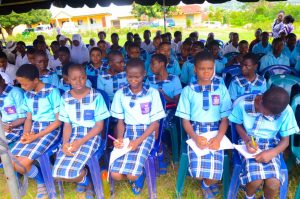
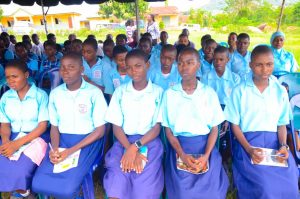
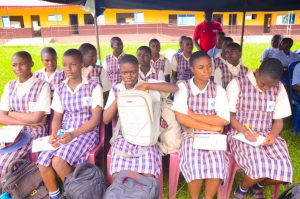
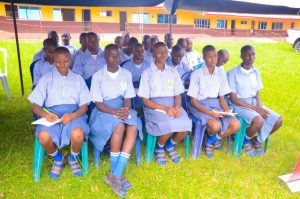
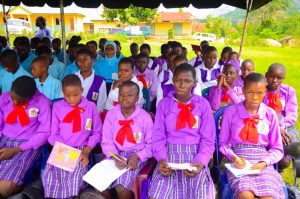
The Ekiti State Adolescent Girls Initiative for Learning and Empowerment (AGILE) Project has empowered 250 adolescent girls with menstrual hygiene and sexual and reproductive health education to promote healthy living and improve school retention.
The intervention was part of activities marking the 2026 Menstrual Hygiene Day held at the Government Special School for the Blind, Ikere-Ekiti.
The programme brought together students from nine secondary schools in Ikere-Ekiti, teachers, development partners, community leaders and other stakeholders in the education sector.
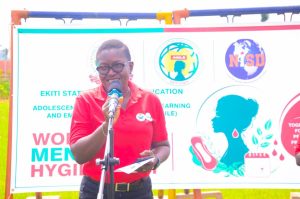
Speaking at the event, the State Project Coordinator of AGILE, Mrs Yewande Adesua, urged the girls to take menstrual hygiene seriously, adopt safe health practices and make informed decisions on their sexual and reproductive health.
Adesua said the AGILE Project was designed to expand access to quality secondary education for adolescent girls while addressing barriers such as poor menstrual hygiene awareness, gender-based violence, limited life skills and inadequate psychosocial support.
According to her, the project is implementing interventions such as Safe Spaces, school infrastructure upgrades, eco-clubs, grievance redress mechanisms, life skills development, gender-based violence prevention and conditional cash transfers to improve learning outcomes and keep girls in school.
She noted that menstrual health remained a critical factor in girls’ education, stressing that stigma, misinformation and inadequate access to hygiene support often affected attendance and self-confidence among students.
Also speaking, the Component 2.2a Lead, Mrs Gbenuola Ayedun, described Safe Spaces as structured school-based platforms where adolescent girls receive mentorship, psychosocial support and life skills training.
Ayedun encouraged the girls to actively participate in the sessions to build confidence, strengthen decision-making skills and seek support whenever they face challenges.
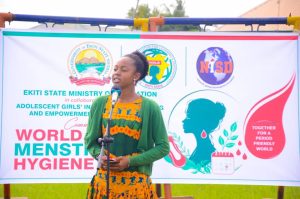
A representative of the New Initiative for Social Development (NISD), AGILE’s Safe Space implementing partner, Ms Rachael Olori, sensitised participants on the implementation of Safe Spaces across schools.
Olori said the initiative provides safe and inclusive environments that promote learning, protection and personal development for adolescent girls.
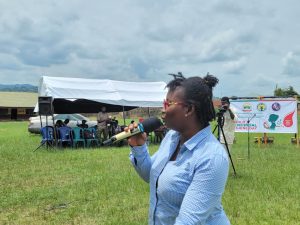
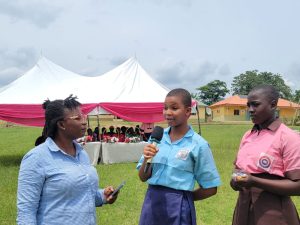
The Executive Director of the Foundation for Excellent Living and Development (FELAD), Mrs Omisore Olajumoke, delivered a presentation on menstrual hygiene management, proper use of sanitary materials, personal cleanliness and menstrual cycle awareness.
She advised the students to regard menstruation as a natural biological process that should not affect their confidence, dignity or participation in school activities.
Similarly, the Programme Director of the Balm in Gilead Foundation (BIGIF), Ms Oyinlola Olagbemi, educated participants on puberty and sexual health, with emphasis on body changes, emotional development, personal safety and responsible decision-making.
Olagbemi urged the girls to remain focused on their education, resist negative peer pressure and make choices that would secure their future.
Goodwill messages were delivered by Mrs Christianah Kolawole-Ojo, Deanery President of the Ikere Catholic Women Organisation, and Alhaja Amudat Adewunmi, Coordinator of the Federation of Muslim Women’s Associations in Nigeria (FOMWAN).
The speakers commended the AGILE Project for its sustained investment in the education, health and empowerment of adolescent girls in the state.
Speaking on AGILE sub-component interventions, Mr David Adako highlighted ongoing school renovation projects aimed at improving infrastructure, safety and learning conditions in beneficiary schools.
The Eco-Club team, led by Mrs Remi Ekundayo, also showcased waste-to-wealth products developed by students, demonstrating how environmental sustainability initiatives were fostering creativity, innovation and entrepreneurship.
On accountability mechanisms, the Grievance Redress Mechanism (GRM) Focal Officer, Mrs Feyisara Bodunrin-Ogunyemi, sensitised students on available channels for reporting complaints through GRM boxes installed in schools.
She assured participants of confidentiality and prompt response to complaints.
Participants were also sensitised on gender-based violence, reporting procedures and support services available to survivors.
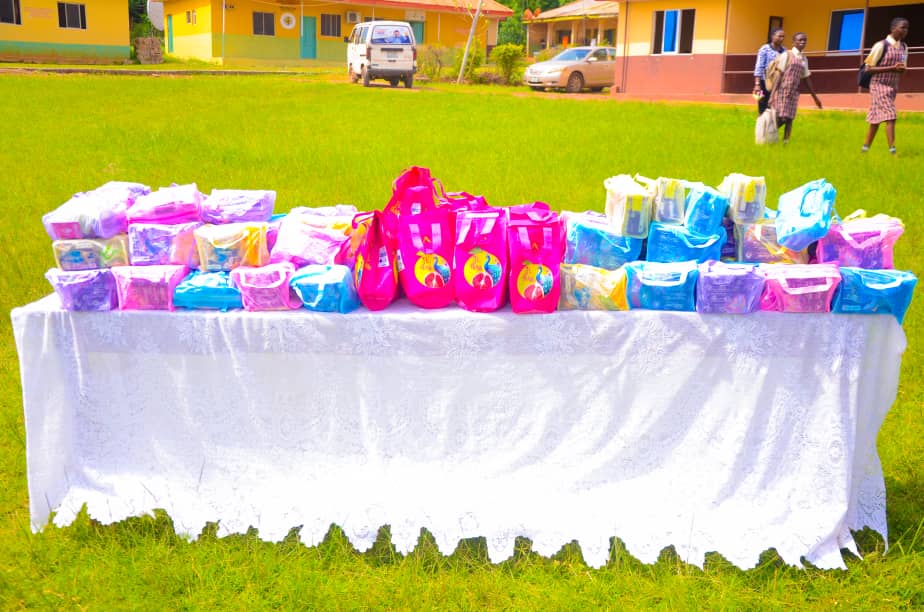
The highlight of the programme was the distribution of menstrual hygiene kits containing sanitary pads, towels, soaps and menstrual diaries to participating students.
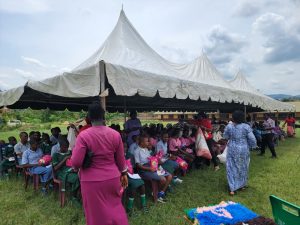
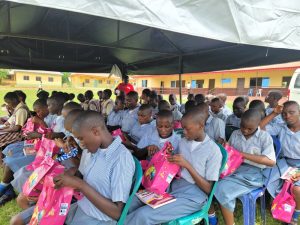
Stakeholders described the initiative as a strategic intervention that would strengthen menstrual health awareness, improve school attendance and promote dignity, confidence and empowerment among adolescent girls in Ekiti State.